




Rising military activity, disruptions to Gulf energy exports, disputes over Kurdish security, and demonstrations in Milan highlight mounting geopolitical and economic pressures across the Middle East and Europe.
WASHINGTON / MIDDLE EAST / MILAN — Geopolitical tensions are drawing renewed international attention as reports point to an expanded US naval presence in the Middle East, economic challenges for Gulf energy exporters, continuing security concerns involving Kurdish groups, and public unrest in northern Italy. The developments underscore the complex security, diplomatic, and economic challenges facing governments across multiple regions.
US Naval Deployment Adds to Regional Tensions
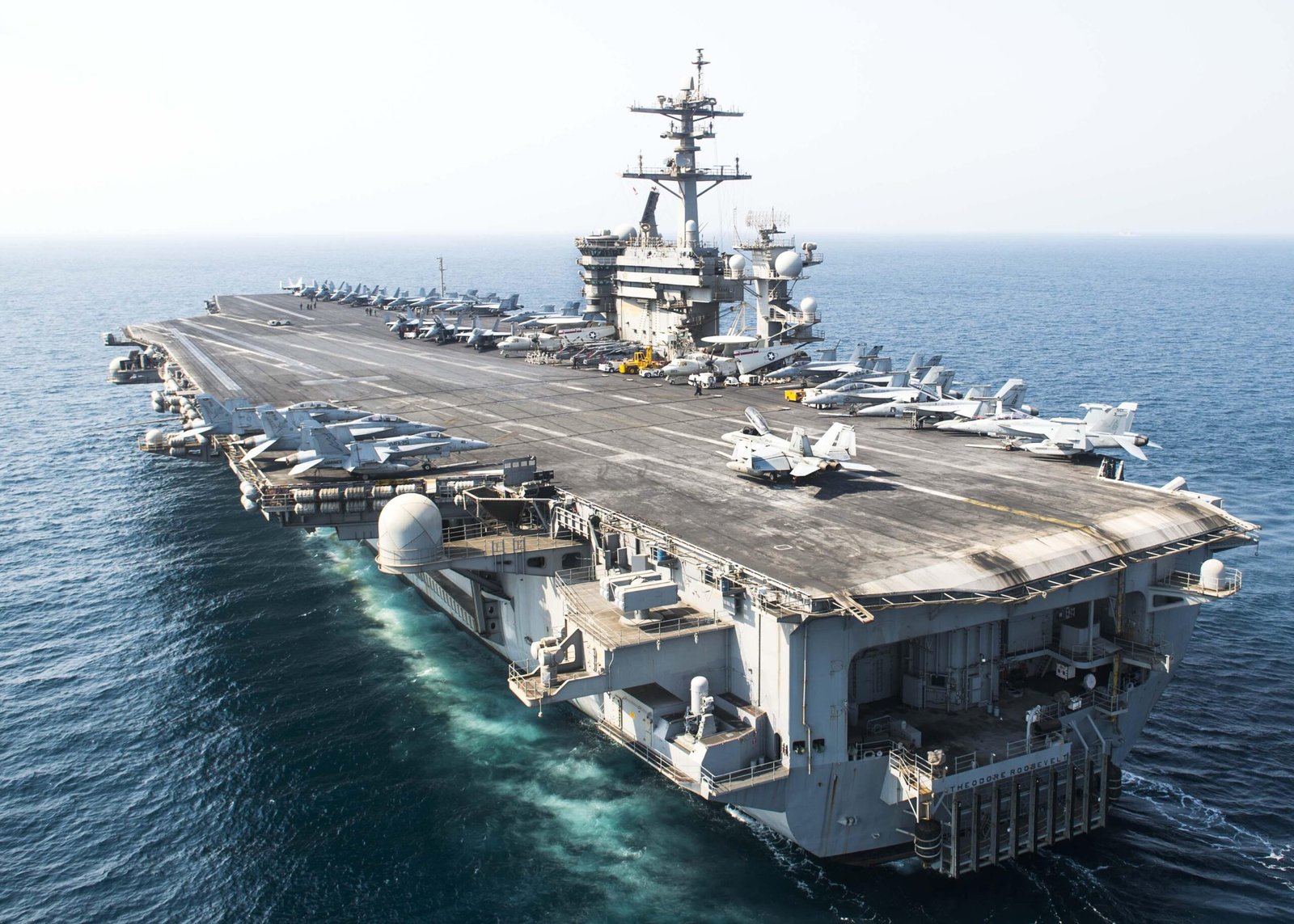
The United States is reportedly preparing to reinforce its military presence in the Middle East amid stalled diplomatic efforts and persistent regional security concerns. The reported deployment involving the aircraft carrier USS Theodore Roosevelt, Carrier Strike Group 9, and a Marine expeditionary unit would add to existing US deterrence operations.
Additional naval deployments can strengthen regional military readiness and protect strategic maritime routes. However, their timing and scope may also influence diplomatic calculations as governments seek to prevent further escalation.
Qatar Faces Economic Pressure Amid Shipping Disruptions
Qatar is reportedly experiencing significant economic pressure, with a stated 42% decline in government revenues during the first half of the year. The reported downturn has been linked to disruptions affecting shipping through the Strait of Hormuz and damage to energy infrastructure.
The strait is a critical passage for global energy supplies, including liquefied natural gas and crude oil. Prolonged interruptions can increase transportation costs, complicate export operations, and contribute to volatility in international energy markets.
The reported revenue decline and its causes require confirmation through official financial disclosures and independent reporting.
Kurdish Security Remains a Regional Flashpoint
Security concerns involving Kurdish political and armed groups continue to complicate relations among Iraq, Syria, Iran, and neighboring countries. Negotiations reportedly include demands concerning Iranian opposition groups operating near Iraq’s border regions, including areas around Erbil and Sulaymaniyah.
Groups identified in the reports include the Kurdistan Democratic Party of Iran (KDPI), Komala, the Kurdistan Freedom Party (PAK), and the Kurdistan Free Life Party (PJAK).
Cross-border strikes and security operations have contributed to instability in the region. Meanwhile, reported crude oil prices of approximately $111 per barrel reflect the potential market sensitivity to shipping disruptions and geopolitical risk. The quoted price should be checked against current market data before publication.
Israel Reiterates Focus on October 7 Attack Suspects
Israeli Prime Minister Benjamin Netanyahu has reiterated his government’s emphasis on security operations targeting individuals accused of involvement in the October 7, 2023, attacks.
The reported campaign, known as Operation NILI, involves Israel’s domestic security agency, Shin Bet, and the Israel Defense Forces. According to the supplied account, intelligence teams use surveillance footage and other investigative information to identify and track suspects.
The operations reflect Israel’s continuing security priorities following the attacks. Details concerning specific operations, surveillance methods, and individuals targeted should be verified against official statements and independently corroborated reporting.
Demonstrations in Milan Highlight Social Tensions
In northern Italy, demonstrations in Milan reportedly drew more than 5,000 participants and resulted in the detention of 271 people following clashes involving protesters and law enforcement.
A video circulating online allegedly shows a confrontation between demonstrators and Father Giannicola, a Roman Catholic priest associated with San Alessandro church. The incident has attracted attention amid broader concerns about political and social tensions in European cities.
The circumstances surrounding the confrontation, the reasons for the demonstrations, and the reported number of detentions require confirmation from local authorities and reliable news organizations.
A Complex and Evolving International Picture
Taken together, these developments illustrate how military deployments, maritime security threats, energy-market uncertainty, regional disputes, and public demonstrations can create overlapping challenges for policymakers.
The situation remains fluid, and the full implications will depend on developments on the ground, the progress of diplomatic initiatives, and the reliability of emerging reports. Independent verification of the specific military, economic, and protest-related claims is essential before drawing firm conclusions.
Editorial note: Several figures and operational details in the supplied material have not been independently verified in this draft. Confirm them with official statements and credible news sources before publication.