




Washington looks to Doha for help in bridging differences with Tehran as negotiations face major obstacles and concerns over the Strait of Hormuz continue.
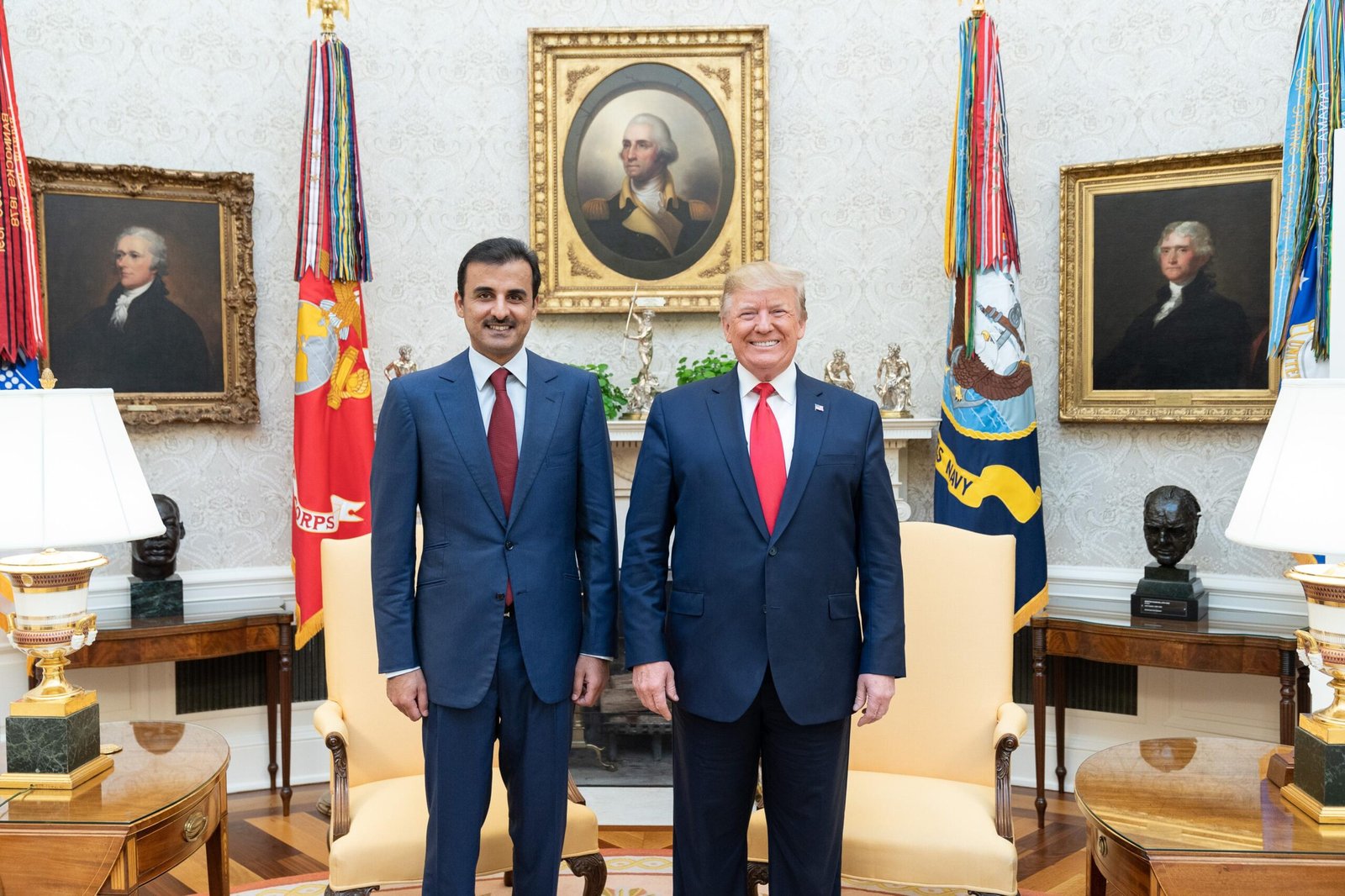
WASHINGTON, November 9, 2026 — U.S. President Donald Trump is scheduled to meet Qatar’s Prime Minister and Foreign Minister, Sheikh Mohammed bin Abdulrahman Al Thani, at the White House on Monday as diplomatic efforts to end the ongoing conflict with Iran face growing challenges.
Vice President JD Vance is also expected to meet the Qatari leader. The discussions come as Qatar continues to act as a key intermediary between Washington and Tehran, carrying proposals and seeking to narrow differences over Iran’s nuclear programme and the conditions for ending the conflict.
The meeting is taking place at a critical moment for the region. Despite continuing diplomatic contacts, there has been little sign of a breakthrough, with major disagreements remaining over security arrangements, Iran’s nuclear activities and the future of the conflict.
Qatar Steps Up Its Diplomatic Role
Qatar has emerged as an important channel for communication between the United States and Iran. Its diplomatic position and relationships across the region have allowed Doha to help relay proposals and facilitate indirect discussions between the two sides.
The Qatari prime minister’s visit to Washington is expected to focus on efforts to advance negotiations and prevent further escalation. Regional governments are increasingly concerned that a renewed military confrontation could threaten security, energy supplies and international trade.
Washington Says Negotiations Remain Difficult
U.S. Secretary of State Marco Rubio said on Sunday that negotiations with Iran had made limited progress and that he did not see an immediate breakthrough.
Rubio said President Trump preferred a diplomatic solution but described Iran’s demands as unacceptable and unrealistic from Washington’s perspective.
Trump has indicated that he would be unlikely to order further strikes if negotiations produced meaningful progress towards a strong agreement. However, he has also warned that the United States has identified additional targets should military action resume.
The contrasting signals underline the difficult position facing negotiators as they attempt to keep diplomatic channels open while military tensions remain unresolved.
Iran Holds Talks With Regional Leaders
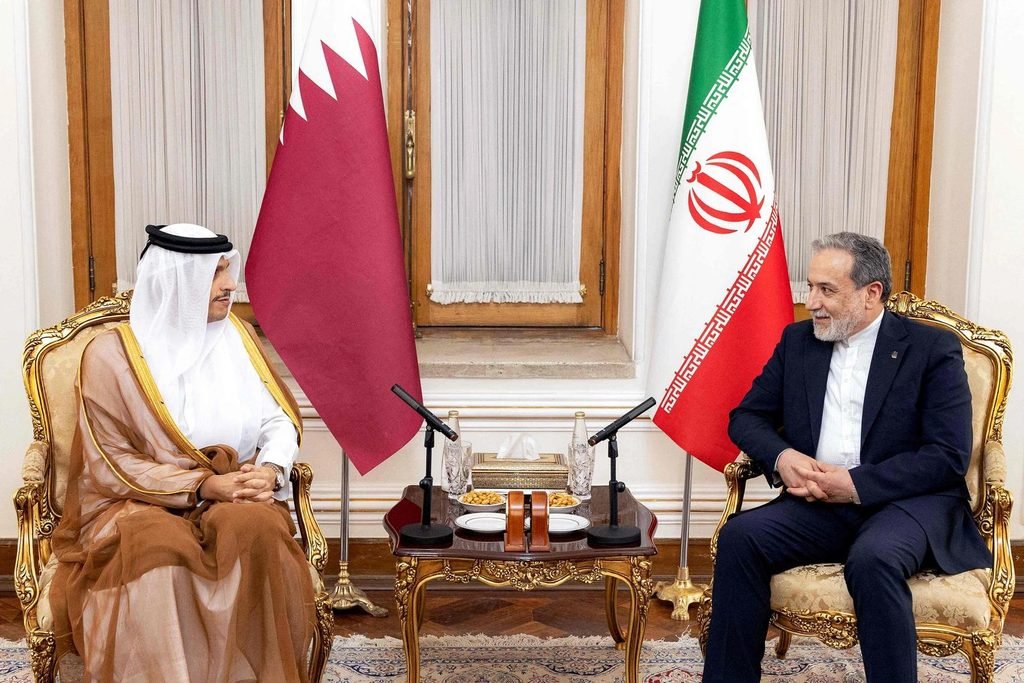
Iran has also intensified diplomatic contacts with neighbouring countries. On November 5, Iranian Foreign Minister Abbas Araghchi held separate telephone discussions with several regional counterparts, including officials from Qatar, Oman, Saudi Arabia, Turkey and Kuwait.
The discussions addressed regional developments, diplomatic efforts to reduce tensions and the importance of maintaining security across major maritime routes.
Oman and Iran also discussed practical arrangements to protect shipping routes and prevent renewed confrontation. These contacts highlight the continuing efforts by regional governments to find a political solution to the crisis.
Strait of Hormuz at the Centre of Regional Concerns
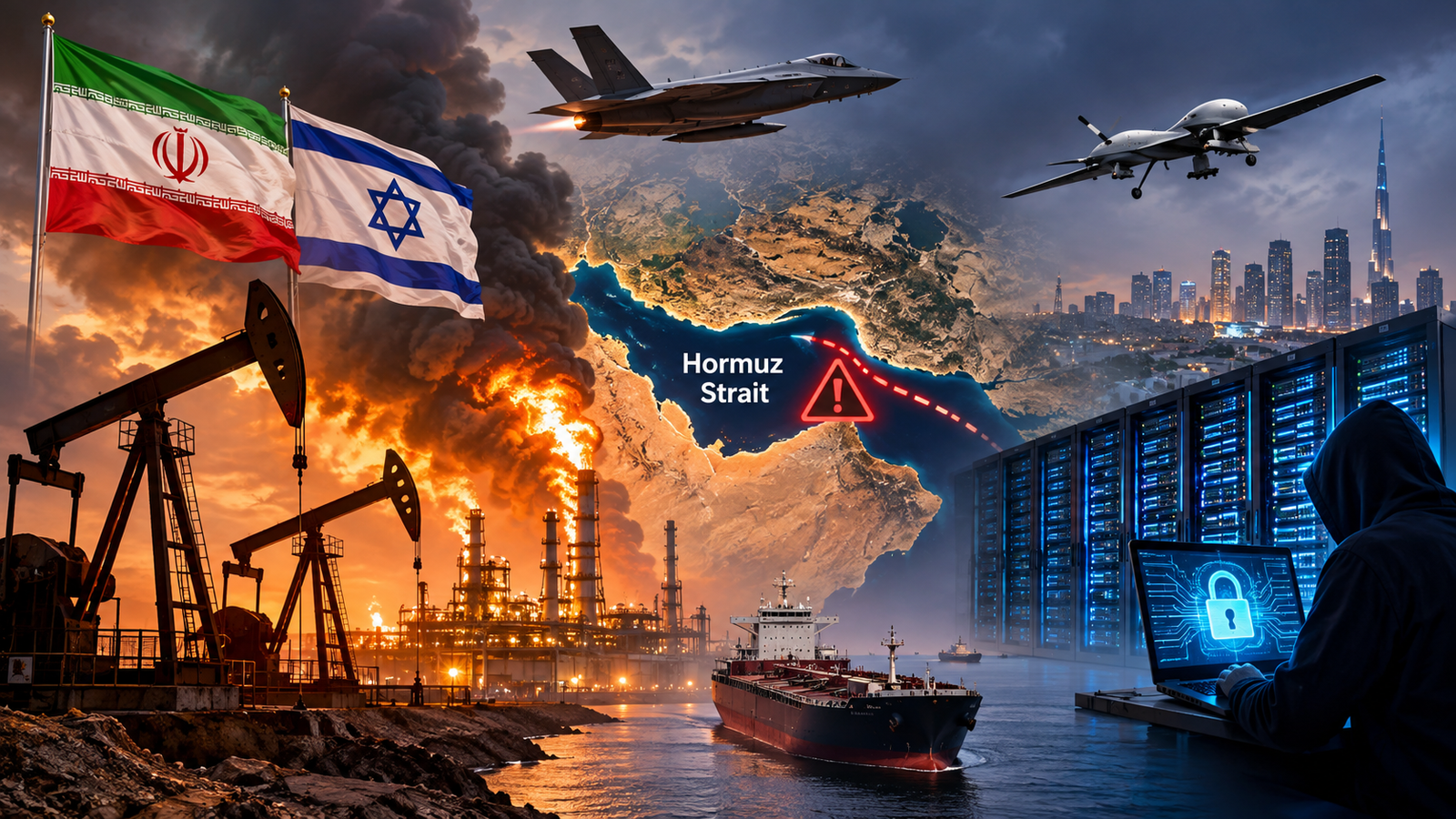
The Strait of Hormuz remains one of the most important strategic waterways in the world. A significant share of global oil and liquefied natural gas shipments passes through the narrow route connecting the Persian Gulf with international markets.
Any prolonged disruption could have serious consequences for energy prices, shipping costs and the global economy.
Regional governments have therefore emphasized the need to protect freedom of navigation and prevent the waterway from becoming another flashpoint in the conflict.
A Difficult Road Ahead for Diplomacy
Although Qatar and other regional powers continue to push for dialogue, significant obstacles remain. Washington and Tehran have yet to reach agreement on key issues, and the possibility of renewed military action continues to cast a shadow over diplomatic efforts.
The meeting between Trump and Qatar’s prime minister could provide an important opportunity to discuss proposals and maintain communication between the two sides. However, a lasting agreement will require compromises on the issues that have kept negotiations stalled.
For now, Qatar’s diplomatic efforts remain central to attempts to prevent further escalation. The outcome of the Washington discussions could help determine whether the region moves closer to negotiations or faces another period of heightened confrontation.
The immediate challenge for regional leaders is to turn diplomatic engagement into concrete progress before tensions threaten to widen the conflict further.